How to get consistent, brand-aligned headshots across your team
Consistent team headshots are about more than matching backgrounds and lighting. The strongest headshot programmes start with a clear understanding of your brand and the impression you want to create.
Over the past 11 years, I’ve photographed thousands of professionals for organisations ranging from global insurers to growing businesses. One of the most common opportunities I see is improving the consistency of team photography across websites, LinkedIn profiles and internal communications.
If your organisation has multiple offices, remote employees or teams spread across different locations, creating consistent, brand-aligned headshots can feel challenging. The good news is that with the right planning, it is entirely achievable.
Does visual consistency matter?
Your team photographs should feel like they belong together.
That doesn’t mean everyone should look identical or lose their individuality. Quite the opposite.
The goal is to create a consistent visual framework that reflects your organisation’s personality, values, and professionalism while allowing each person to appear authentic and approachable.
When done well, consistent professional headshots help:
Strengthen brand recognition
Build trust with potential clients
Create a more professional appearance
Improve the user experience on websites and directories
Support recruitment and employer branding efforts
Present a unified organisation across multiple offices and locations
Most businesses would never allow multiple versions of their logo to appear across their website. Yet many unintentionally do exactly that with the people representing their brand.

The way Shenley Wealth Management presents its team online is a strong example of brand alignment in action. Rather than treating headshots as standalone images, the photography has been thoughtfully integrated into the wider visual identity through the use of colour, typography, layout and image treatment. The result is a professional, consistent and cohesive experience that reinforces the brand at every touchpoint and demonstrates how team photography can become an integral part of a company’s overall visual identity.
Brand strategy comes before photography
In my experience, many organisations focus on consistency of execution rather than consistency of brand expression.
They might decide on a background colour or request a particular crop, but they don’t always take the time to consider what the photographs should communicate about the organisation.
Before deciding how the photographs should look, companies should decide what they want the photographs to say.
Do you want to appear:
Traditional and established?
Modern and innovative?
Warm and approachable?
Premium and exclusive?
Friendly and collaborative?
The answers to these questions should influence every decision that follows.
A candid portrait in a busy office environment communicates something very different from a traditional studio headshot.
A contemporary three-quarter-length portrait tells a different story from a tightly cropped head-and-shoulders image.
Neither is right or wrong. The important thing is that the style aligns with the brand.
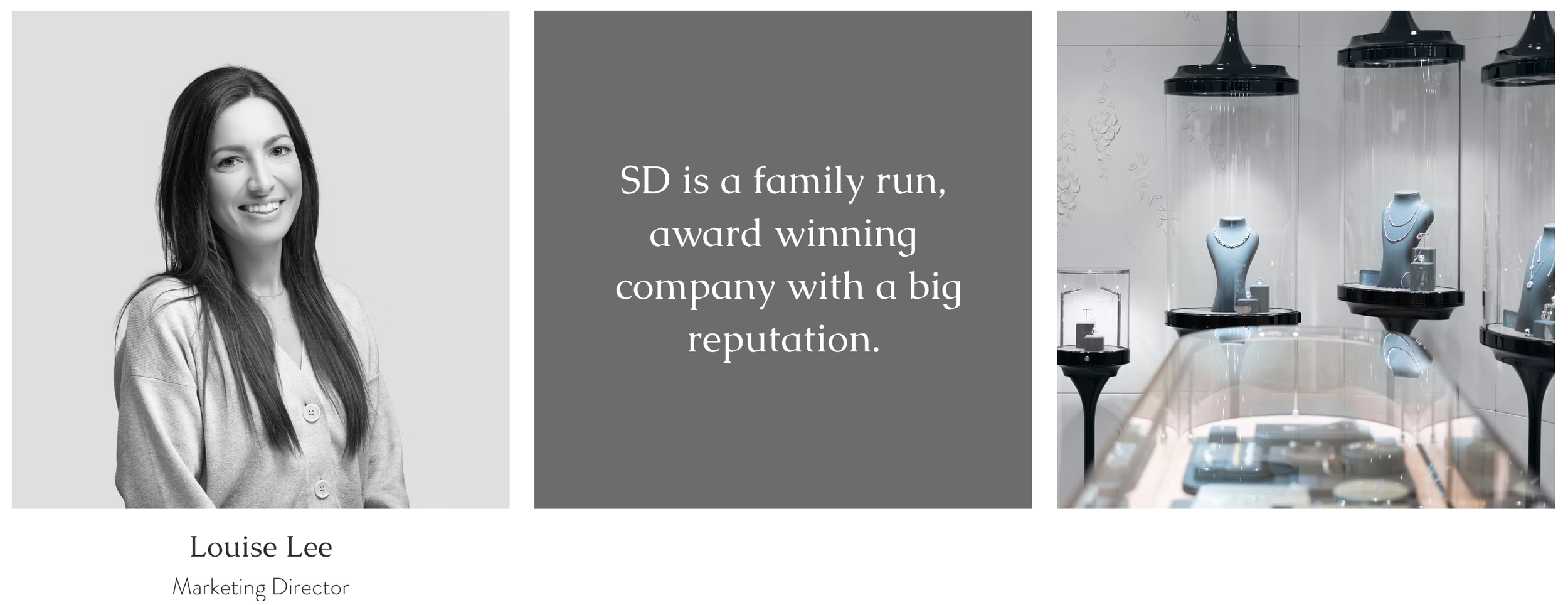
SD Shopfitting is a great example of how photography can be used to connect the people behind a business with the quality of the work they produce. By combining team portraits with carefully crafted images of finished projects, the company creates a visual story that feels both personal and premium. The photography reinforces the message that exceptional results are delivered by skilled, dedicated people, helping potential clients build trust in both the craftsmanship and the team behind it.
What should be standardised?
For organisations with multiple offices, remote workers, or ongoing recruitment, I recommend creating clear headshot guidelines.
These should cover:
Background style and colour
Lighting style
Crop and composition
Expression and body language
Retouching standards
Image dimensions and file formats
Having clear standards means that new employees can be photographed months or even years later while maintaining a cohesive look across the organisation.

These are headshots I did for Trusted Tech Team - a Microsoft licensing and support company based in California. The brief was very detailed with background, lighting, composition, wardrobe and editing style all working together to create a cohesive and professional visual identity while still allowing each individual to show their personality. The result is a team that feels approachable, knowledgeable and people-focused. What I find particularly interesting is that Trusted Tech Team uses consistency to communicate approachability and human connection. That’s exactly why brand alignment should come before deciding how the photographs look.
How I maintain consistency across different locations
Over the years, I’ve photographed teams across multiple offices and locations, sometimes months apart.
One of the ways I maintain consistency is by using a standard lighting setup and a consistent photography process.
For example, with Chubb, I work to an established background standard that aligns with their visual identity.
For Swiss Re, I developed a specific background colour that works well across LinkedIn, internal communications, and their wider brand presence. Rather than relying on whatever background happens to be available on the day, I photograph against a neutral grey background and then apply the agreed background template during production. This ensures consistency regardless of where the photographs are taken.
The lighting setup remains consistent too, although I will always make small adjustments to flatter each individual. Consistency should never come at the expense of making someone look their best.
This is an important distinction.
Consistency does not mean rigidity.
The framework remains the same, but the approach is adapted to each person.
One marketing manager I worked with was particularly pleased that new headshots integrated seamlessly with existing team photography. Despite being photographed at different times, the images looked as though they had all been created as part of the same project. That’s often the goal. Not for people to look identical, but for the photography to feel intentional, cohesive, and unmistakably part of the same brand.
The role of marketing, brand and HR
The most successful headshot projects are usually the result of collaboration between Marketing, Brand, HR, and the photographer.
Before any photographs are taken, I like to spend time understanding:
The organisation’s visual identity
Existing brand guidelines
How the images will be used
The target audience
The impression the company wants to create
Simply asking for a grey background and a headshot crop rarely provides enough information to create a truly brand-aligned result.
The best outcomes happen when everyone agrees on the desired look and feel before the first photograph is taken.
Consistency is an ongoing process
The most successful organisations don’t view professional headshots as a one-off project.
They create a repeatable system that allows new starters, promotions, and leadership changes to be photographed in the same style year after year.
People join. People leave. Teams grow. Leaders change.
Having clear standards in place helps ensure your visual identity remains consistent as your organisation evolves.
Think beyond the headshot
When companies think about headshots, they often think about individual photographs.
I encourage them to think about the complete visual experience.
How do you want someone to feel when they land on your team page?
What impression should they take away from your leadership team?
What story should your people tell about your organisation before a conversation has even begun?
These are brand questions, not photography questions.
Once those questions have been answered, the photography becomes much easier to define.

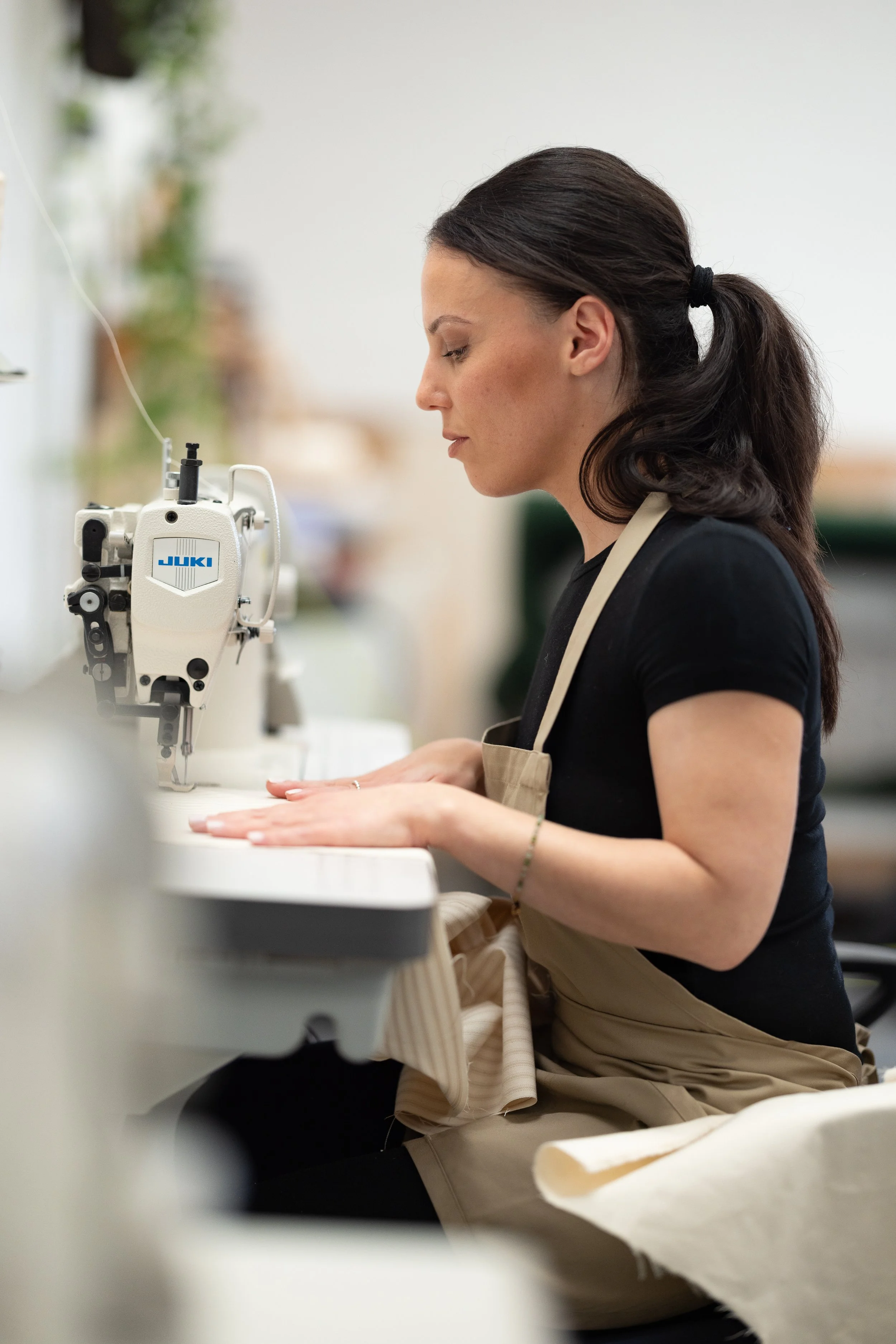

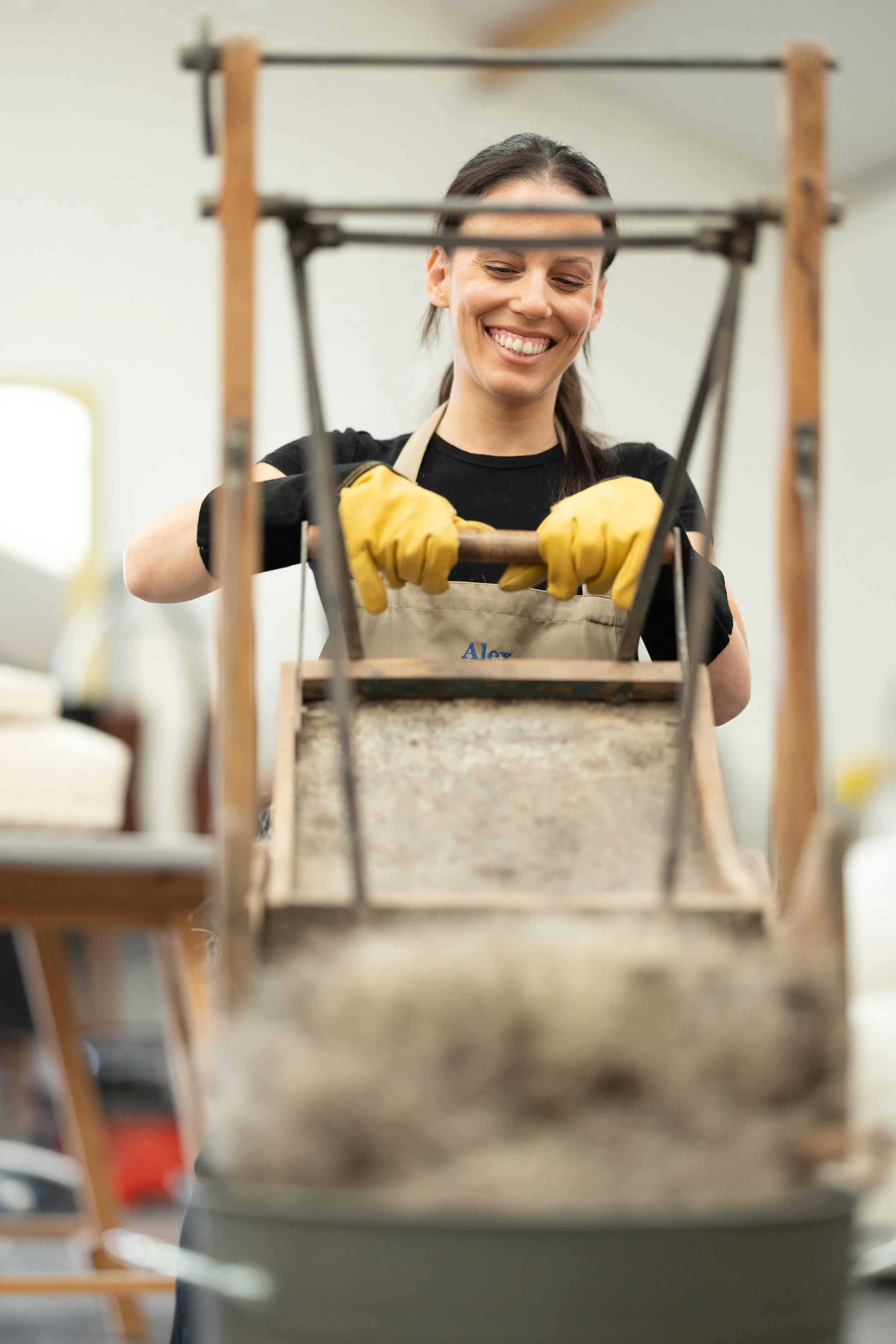
These images of Clarke and Brown Upholstery demonstrate how photography can be used to tell a brand story rather than simply document a product or service. By focusing on the people, the process and the craftsmanship behind the work, the photographs help communicate the values of the business in an authentic and engaging way. The combination of natural moments, thoughtful composition and environmental detail creates a visual narrative that allows potential customers to connect with the skill, care and expertise behind the brand.
Final thoughts
Creating visual consistency across a large distributed workforce isn’t simply about using the same background or asking everyone to wear similar clothing.
It’s about creating a visual language that reflects your brand and then applying it consistently over time.
When that happens, your team photographs stop being a collection of individual images and start becoming a powerful extension of your brand.
Asking for a grey background and a head-and-shoulders crop doesn’t automatically create a brand. Understanding how you want people to feel when they see your team does.
And in a world where first impressions are increasingly made online, that consistency matters more than ever.
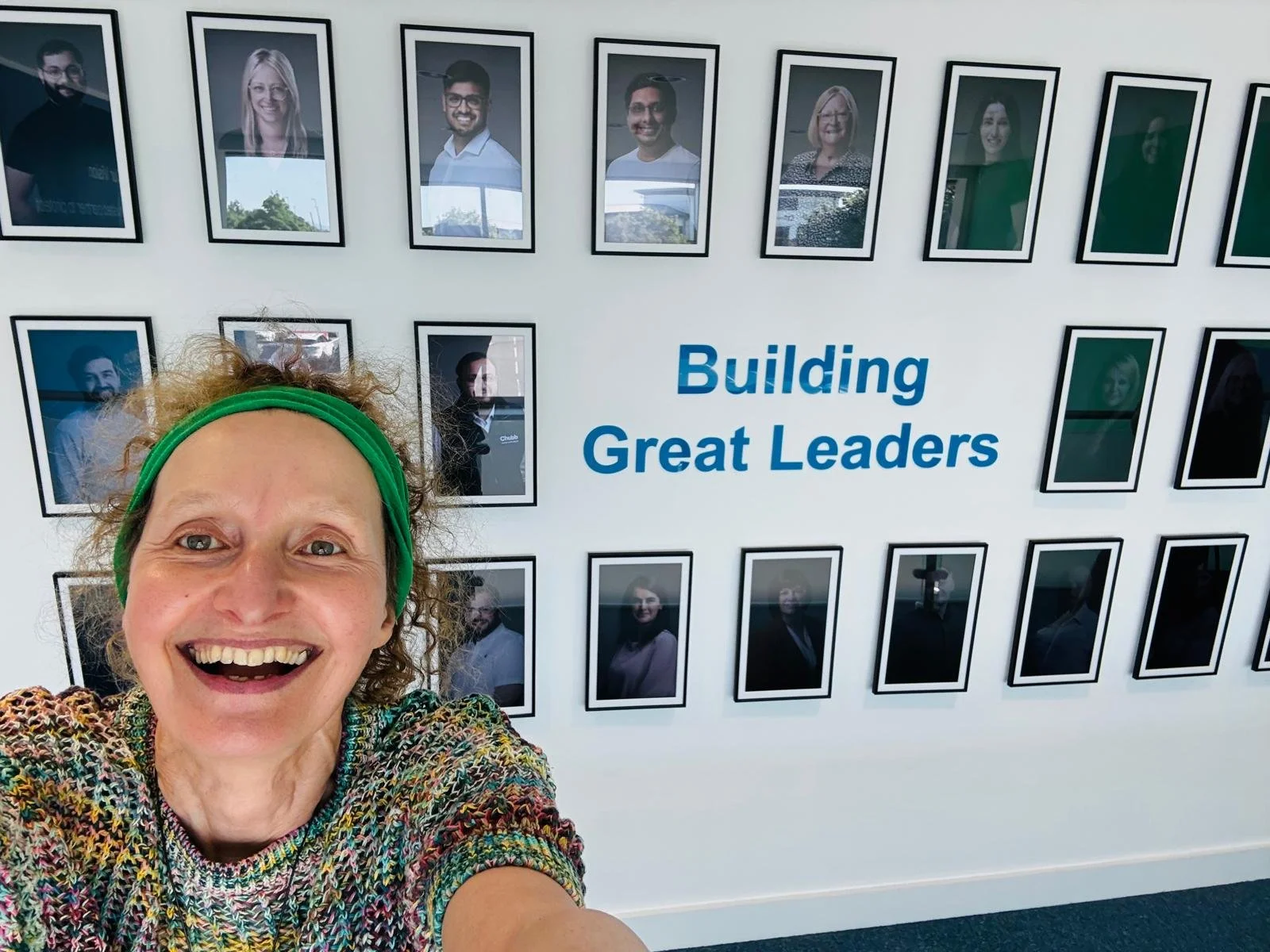
SELFIE ALERT! One of the things I love about working with Chubb Fire & Security is how they use photography beyond websites and LinkedIn profiles. Here, staff portraits are displayed throughout their office as part of a wall titled Building Great Leaders, reinforcing both the company’s brand and its culture. Even more powerful is that these are television screens showing ALL team members. It’s such a great reminder that professional headshots aren’t just marketing assets. They can also celebrate people, create a sense of belonging, and visibly demonstrate the value an organisation places on its employees.